

Fuchun Landscape (沈宗敬富春图卷)
A handscroll from the Qing dynasty. The Palace Museum holds it among the paintings of its collection, and the image here is reproduced with the museum’s cre
Fuchun Landscape (沈宗敬富春图卷) Read More »

A handscroll from the Qing dynasty. The Palace Museum holds it among the paintings of its collection, and the image here is reproduced with the museum’s cre
Fuchun Landscape (沈宗敬富春图卷) Read More »

A handscroll from the Song dynasty. The Palace Museum holds it among the paintings of its collection, and the image here is reproduced with the museum’s cre
Nymph of the Luo River (宋人洛神赋图卷) Read More »
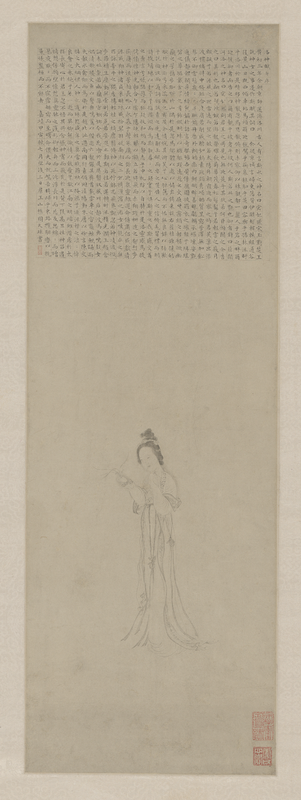
A hanging scroll from the Ming dynasty. The Palace Museum holds it among the paintings of its collection, and the image here is reproduced with the museum’s
The Nymph of the Luo River, with the Ode Inscribed by Zhou Tianqiu (明人画洛神赋图周天球书赋图轴) Read More »

A handscroll from the Tang dynasty (618-907). The Palace Museum holds it among the paintings of its collection, and the image here is reproduced with the mu
Emperor Taizong Receiving the Tibetan Envoy (阎立本步辇图卷) Read More »
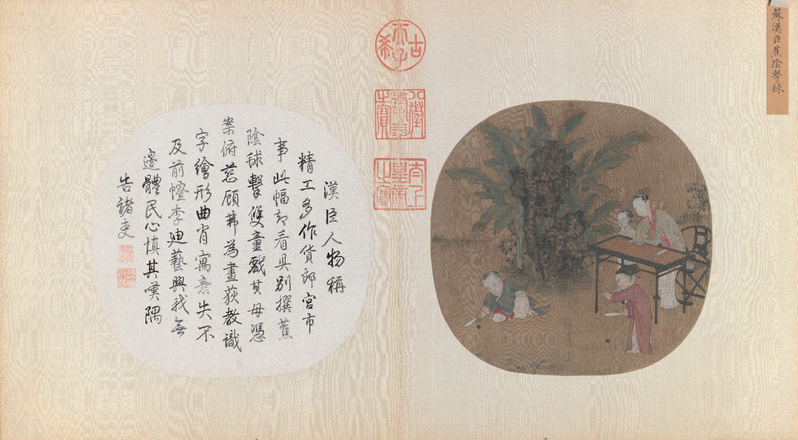
A album leaf from the Song dynasty. The Palace Museum holds it among the paintings of its collection, and the image here is reproduced with the museum’s cre
Playing Ball under Banana Shade (宋人名流集藻册-宋人蕉荫击球图页) Read More »

A handscroll from the Song dynasty. The Palace Museum holds it among the paintings of its collection, and the image here is reproduced with the museum’s cre
A Thousand Li of Rivers and Mountains (王希孟千里江山图卷) Read More »

A handscroll from the Sui dynasty (581-618). The Palace Museum holds it among the paintings of its collection, and the image here is reproduced with the mus
Spring Outing (展子虔游春图卷) Read More »

A handscroll from the Tang dynasty (618-907). The Palace Museum holds it among the paintings of its collection, and the image here is reproduced with the mu
Five Oxen (韩滉五牛图卷) Read More »

A handscroll from the Ming dynasty. The Palace Museum holds it among the paintings of its collection, and the image here is reproduced with the museum’s cre
Wuling Chun (吴伟武陵春图卷) Read More »
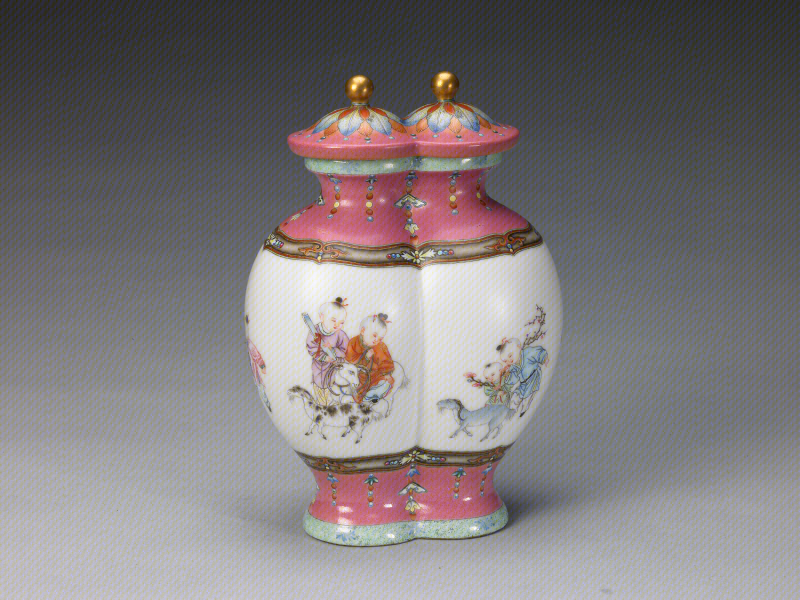
A double-body vase in painted enamel (falangcai), made for the Qing imperial court during the Qianlong reign. Falangcai, or painted enamel, was the most tig
Qianlong-reign painted enamel (falangcai) double-body vase with children at play design Read More »