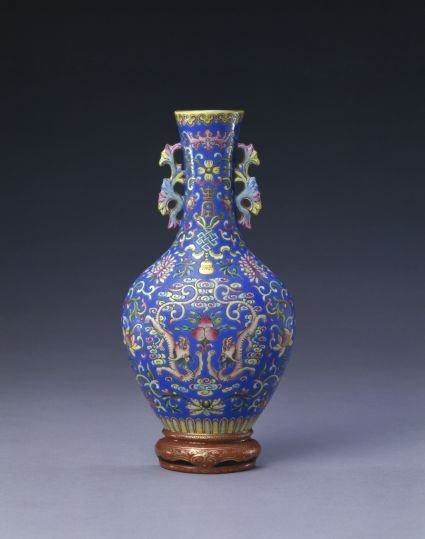
Imperial vase
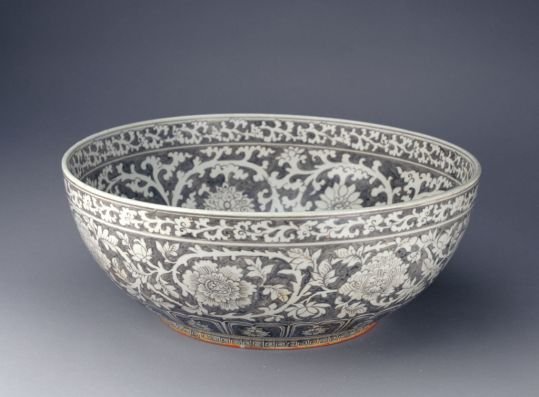
This vase belongs to the long argument about Chinese porcelain: a porcelain body, thrown, glazed and fired until the surface turns to glass. the Imperial w…
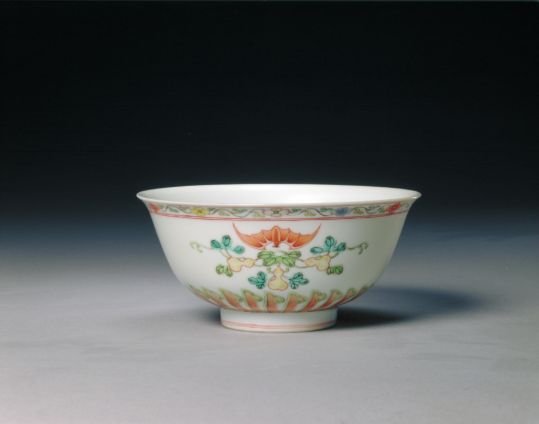
The piece is a cup, and Porcelain is the technique that decides how it reads. The pattern is laid before firing, so the colour sits under a clear glaze, pr…
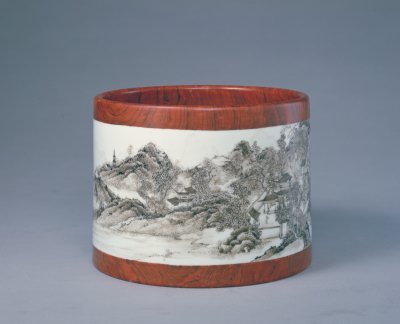
This bowl belongs to the long argument about Chinese porcelain: a porcelain body, thrown, glazed and fired until the surface turns to glass. the Cishan cul…
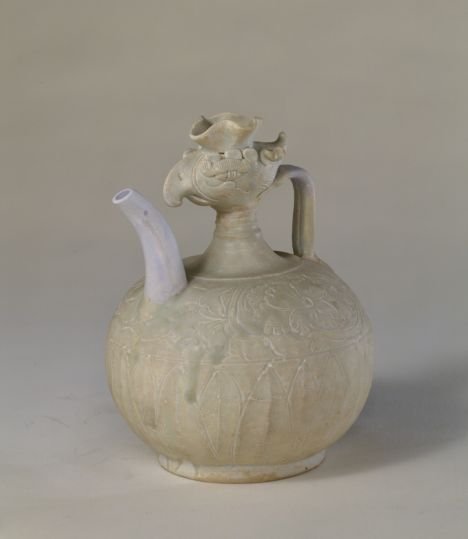
The piece is a vase, and Porcelain is the technique that decides how it reads. The pattern is laid before firing, so the colour sits under a clear glaze, p…
This object belongs to the long argument about Chinese porcelain: a porcelain body, thrown, glazed and fired until the surface turns to glass. the Cishan c…
The piece is a object, and Porcelain is the technique that decides how it reads. The pattern is laid before firing, so the colour sits under a clear glaze,…
This alms bowl belongs to the long argument about Chinese porcelain: a porcelain body, thrown, glazed and fired until the surface turns to glass. the Cisha…
Imperial alms bowl Read More »
The piece is a jar, and Porcelain is the technique that decides how it reads. The pattern is laid before firing, so the colour sits under a clear glaze, pr…
This jar belongs to the long argument about Chinese porcelain: a porcelain body, thrown, glazed and fired until the surface turns to glass. the Cishan cult…
The piece is a plate, and Celadon (qing-glaze) porcelain is the technique that decides how it reads. The pattern is laid before firing, so the colour sits…
Celadon (qing-glaze) porcelain plate Read More »