
In a Tianjin studio, two artists quietly recast a Chinese classic.
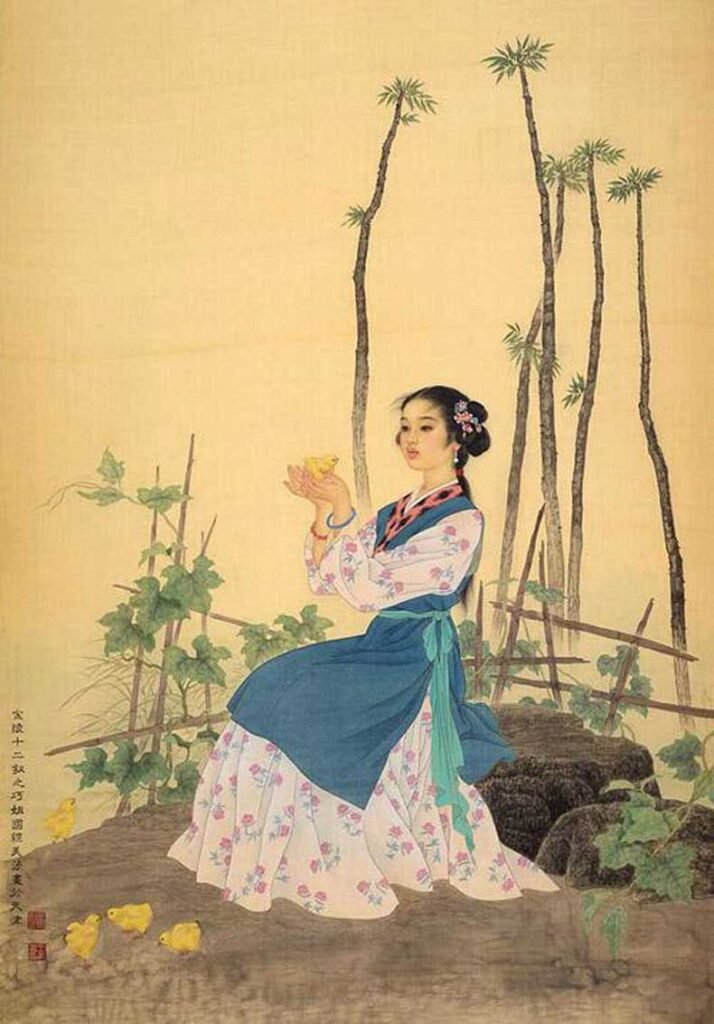
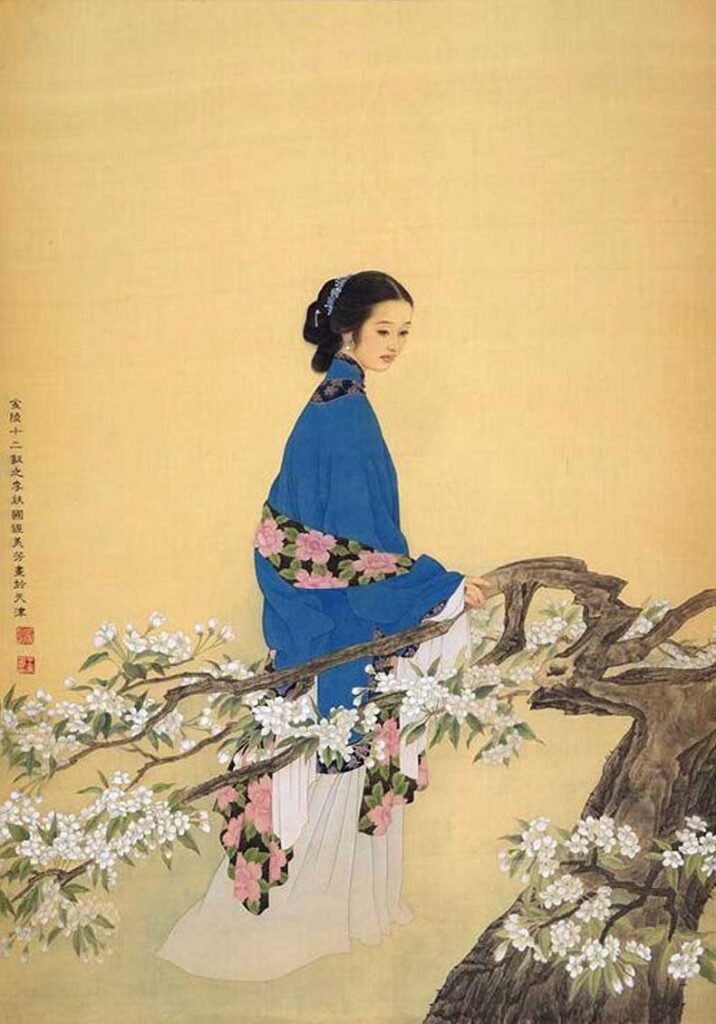
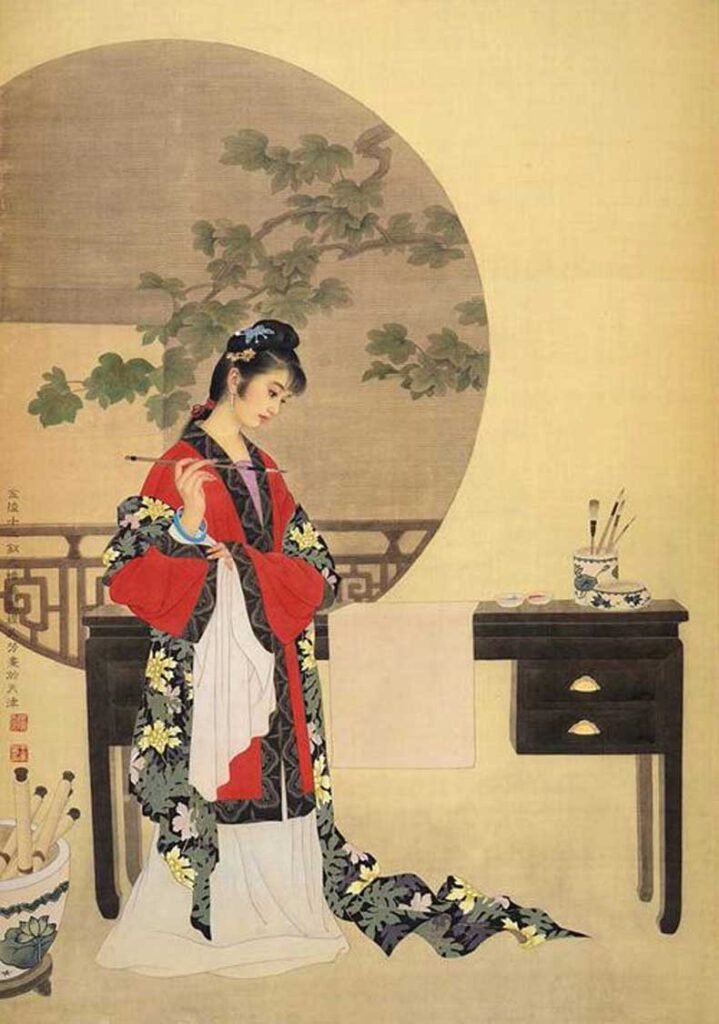
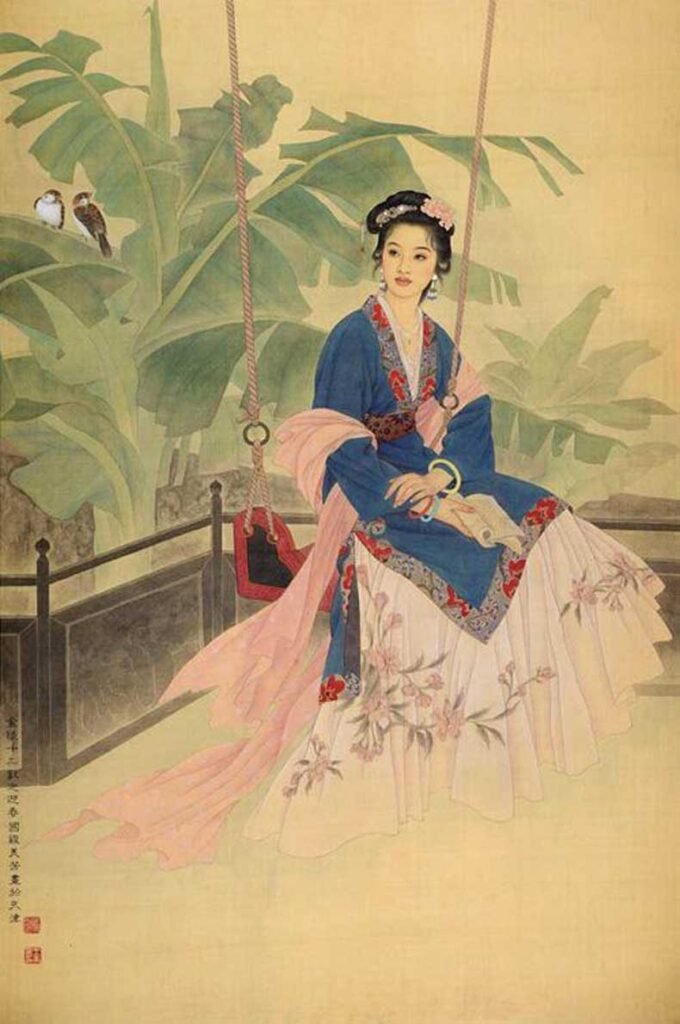
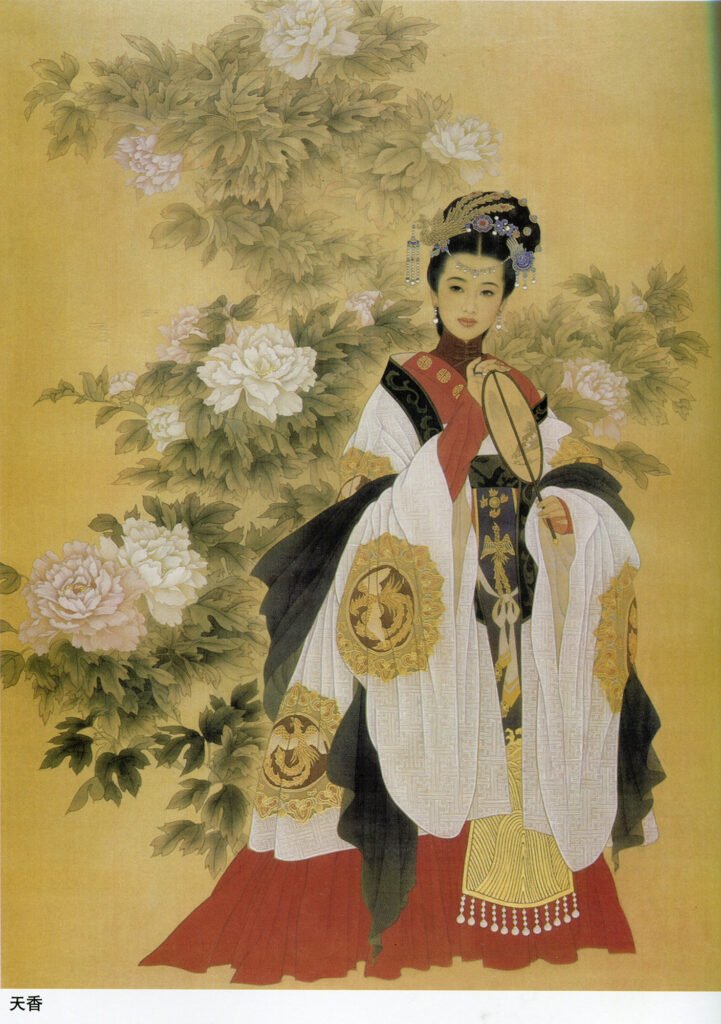
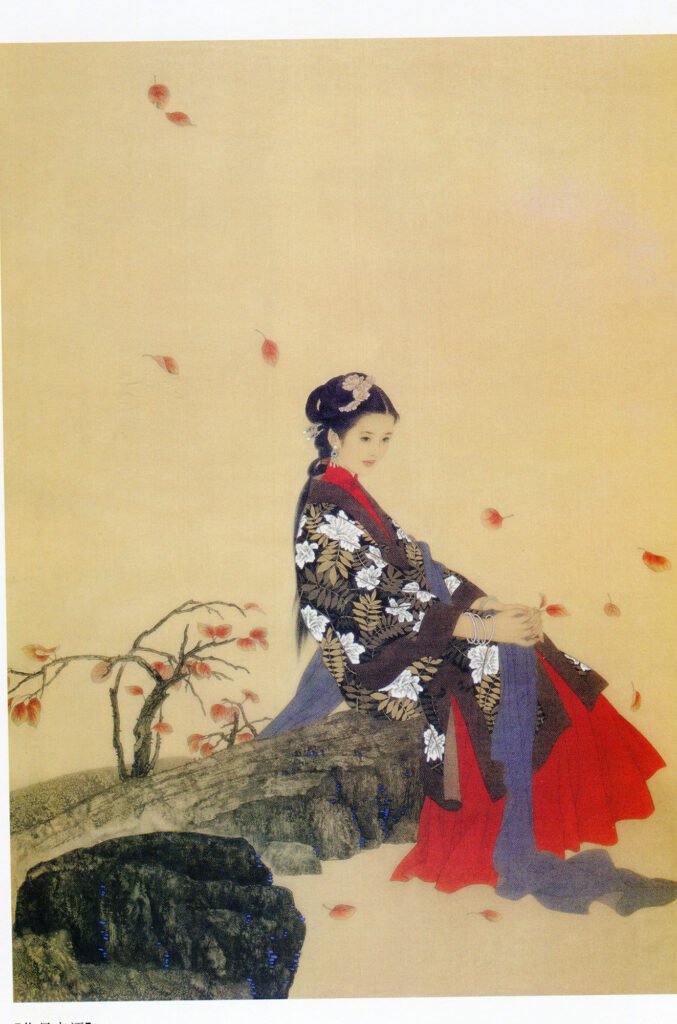
In the taxonomy of classical Chinese art, a certain hierarchy has long prevailed. On one side rests the “scholarly” tradition—the sparse, evocative ink-wash landscape, meant for contemplation, a pursuit of the mind. On the other is the “artisan” strain: colourful, narrative, and figurative, made for the pleasure of the eye. It is a division as much social as it is aesthetic. Yet, in a sunlit studio in Tianjin, the husband-and-wife team of Zhao Guojing and Wang Meifang has, over decades, conducted a patient and luminous experiment in blurring these venerable lines. Their magnum opus, a series titled Twelve Beauties of Jinling, which depicts the heroines of Cao Xueqin’s eighteenth-century novel, “Dream of the Red Chamber,” does something both radical and restorative. It takes the tradition of gongbi zhongcai—“meticulous brush with heavy colour”—and renders it with a technical rigour and a modern sensibility that have made their work at once ubiquitous and formidable.
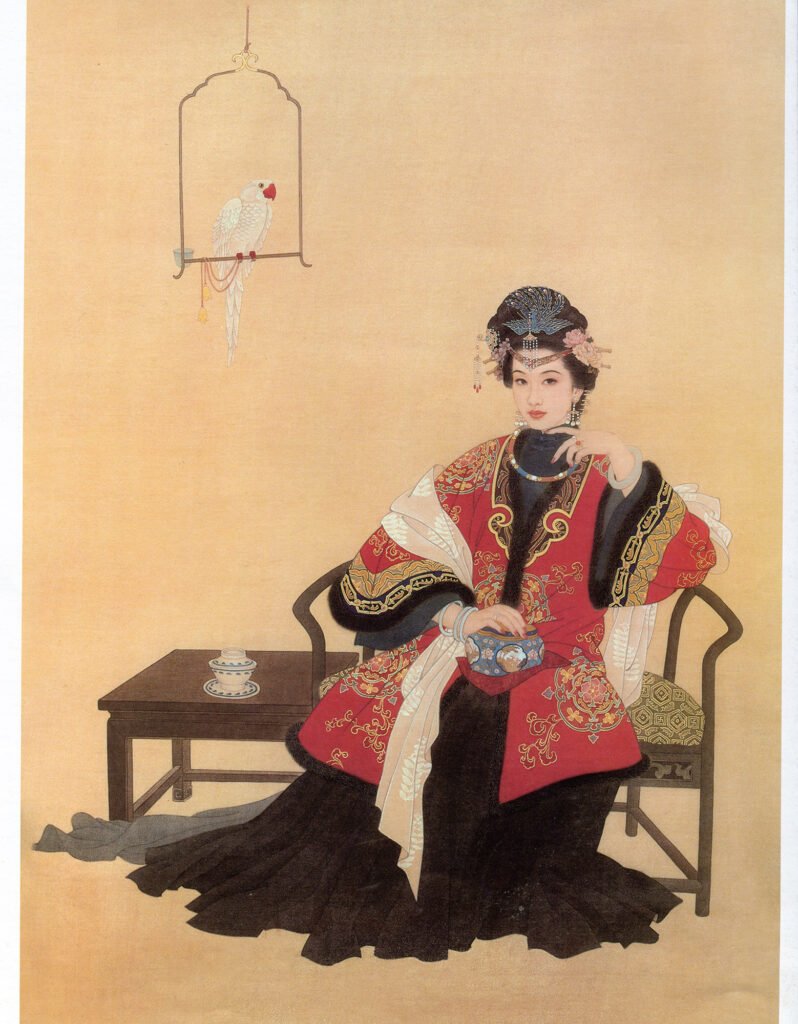
Wang Xifeng of Jinling Twelve Beauties
To apprehend the paintings, one must first appreciate the peculiar machinery of their creation. Since the nineteen-seventies, Zhao and Wang have maintained a bifurcated workflow, a kind of artistic specialization that would delight a classical economist. Zhao, the husband, is the architect. He lays down the “bones” of the work: the initial sketch that establishes the composition, the posture, the calligraphic flow of a sleeve. Wang, the wife, then provides the “flesh.” Her domain is colour, applied through the extraordinarily arduous method known as san fan jiu ran—“three alums, nine dyeings.” In this process, layers of powdered-mineral pigment are painted on, sealed with a glaze of alum water, and built up again, dozens of times, until the silk, normally resistant to such depth, glows with an almost internal radiance.
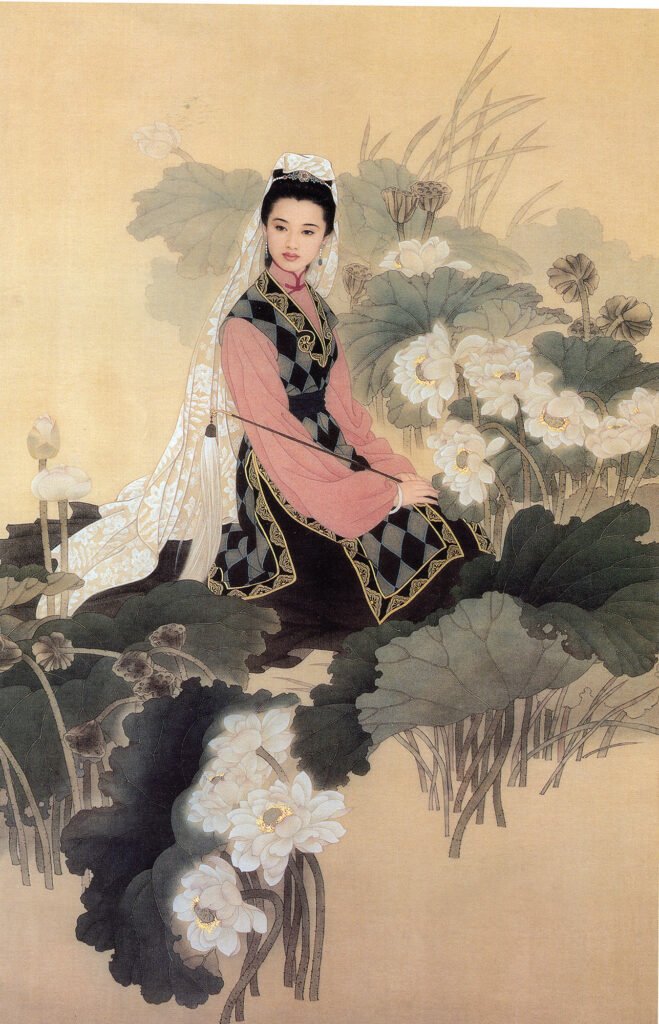
Miao Yu of Jinling Twelve Beauties
The subject they have chosen is, in China, sacrosanct. “Dream of the Red Chamber” occupies a place in the national psyche analogous to that of the collected works of Shakespeare in the English-speaking world. To illustrate its twelve principal beauties—the brilliant, doomed young women at the heart of the story—is to venture onto well-trodden and fiercely guarded ground. Every reader carries a private vision of the frail, poetic Lin Daiyu or the formidably capable Wang Xifeng. The artist’s task is not to invent but to reconcile countless individual imaginations into a single, persuasive vision.
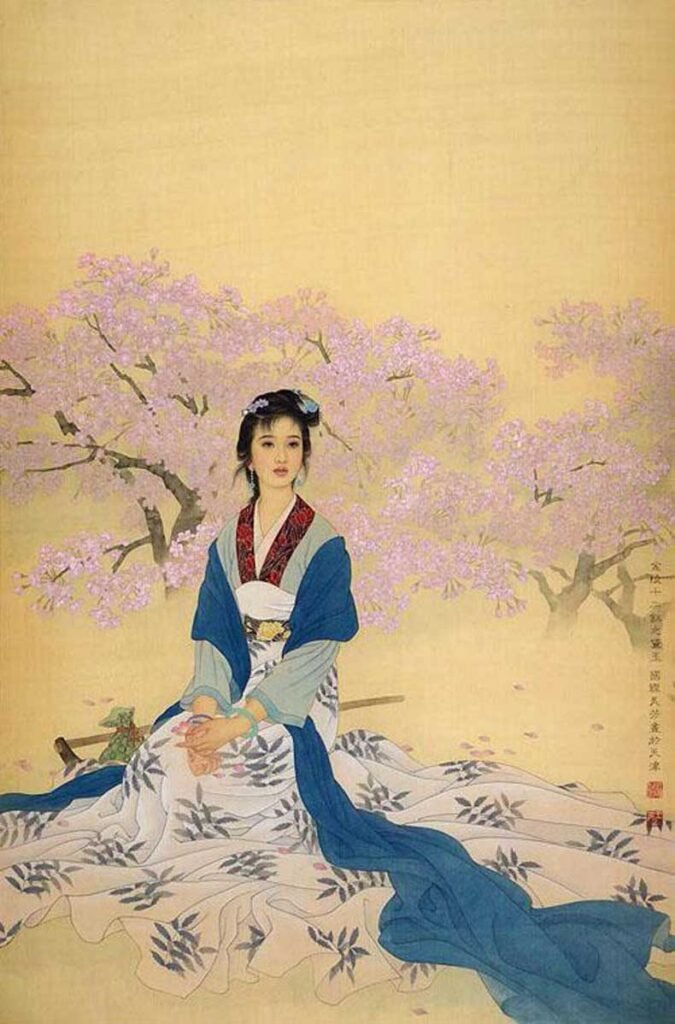
Dai Yu of Jinling Twelve Beauties
The singular triumph of the Zhao-Wang collaboration lies in this reconciliation, achieved through a subtle but profound modernization of the gongbi idiom. Where classical depictions of beautities often presented them as flattened, symbolic ideograms—willow-leaf eyebrows and cherry lips adrift on a blank plane—these new figures possess anatomy. One detects the subtle prominence of a cheekbone, the faint shadow suggesting the ridge of a collarbone beneath the silk. They are, unmistakably, the product of an academic training that has absorbed the principles of Western realism. Consider their Wang Xifeng, the novel’s Machiavellian household manager. In older prints, she is merely ornate. Here, she is intelligent and intimidating, her robes a cataract of blindingly intricate brocade, every thread rendered with microscopic fidelity, her gaze holding a cool, imperious assessment. It is an aesthetic one might call “idealized realism”: the suffocating opulence of the Qing-dynasty court is conjured through staggering detail, while the faces are softened with a near-photographic tenderness.
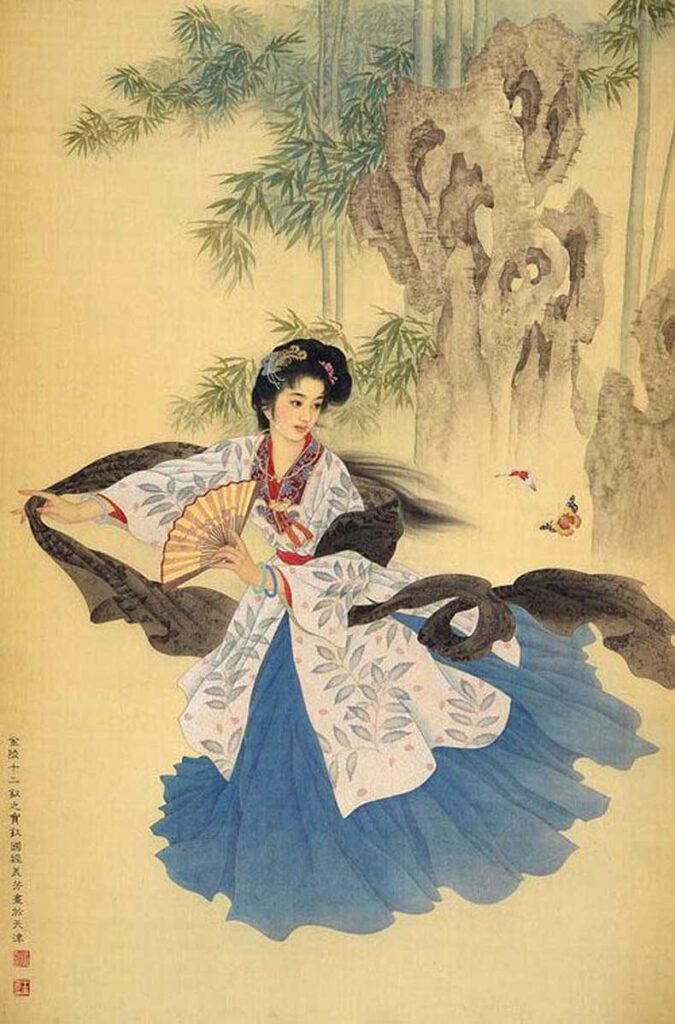
Bao Chai of Jinling Twelve Beauties
There are, inevitably, critics who demur. Those of a modernist inclination sometimes suggest that the work verges on meiren hua—the realm of the “calendar girl”—finding it too pristine, too polished, and ultimately too palliative. The paintings, they note, arrest the women in their resplendent prime, sidestepping the decay and desolation that ultimately claims the House of Jia. It is a beautiful dream, they say, that omits the nightmare.
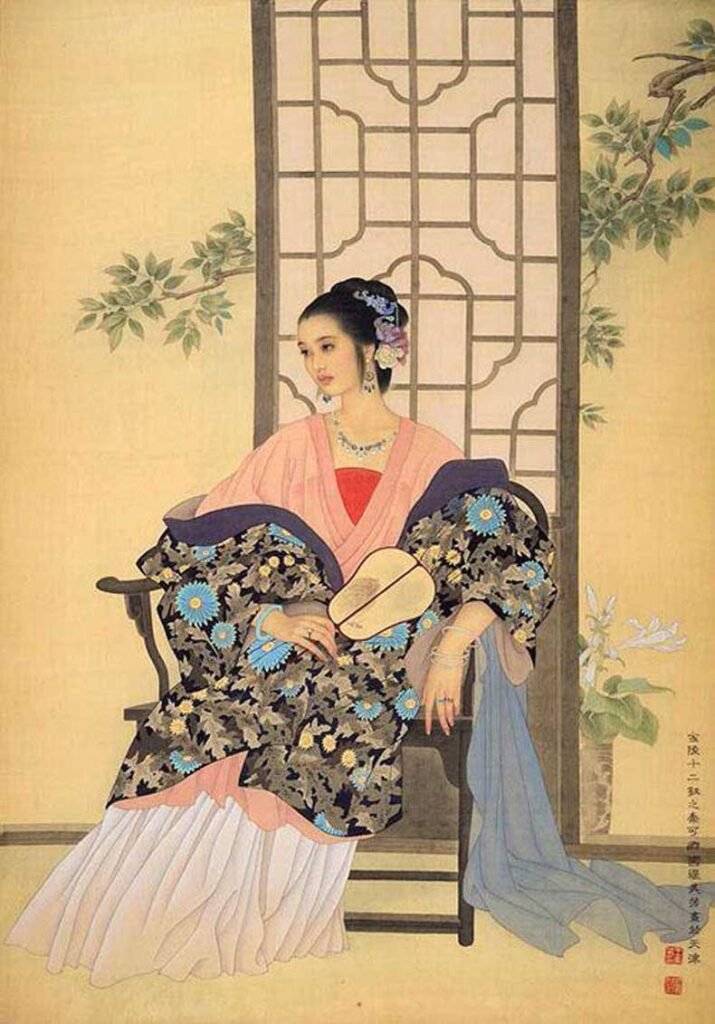
Qin Keqing of Jinling Twelve Beauties
And yet, such criticism may misunderstand the project’s deeper ambition. In a China that has, in its relentless modernization, dismantled so much of its tangible past, the Twelve Beauties functions as an act of exquisite reconstruction. The lavish detail is not mere decoration; it is preservation. When Wang paints the lucent glow of a pearl hairpin or the watery green translucence of a jade bangle, she is archiving a material culture all but vanished. The melancholy of the novel is not ignored but translated—it is felt not as narrative tragedy but as the poignancy of a sublime and fleeting beauty, perfectly preserved just before the fall.
By wedding the flat, decorative patterning of the East to the volumetric modelling of the West, Zhao and Wang have devised a visual dialect that resonates powerfully with the contemporary Chinese contemporary Chinese soul. It is what scholars term yasu gongshang—art that pleases both the refined and the popular palate. They have not shattered tradition but have gently, masterfully, persuaded it to accommodate a new way of seeing. In the end, their greatest innovation may be this: to remind us that some paths forward are found not by erasing the past but by reading it, once more, in a new light.
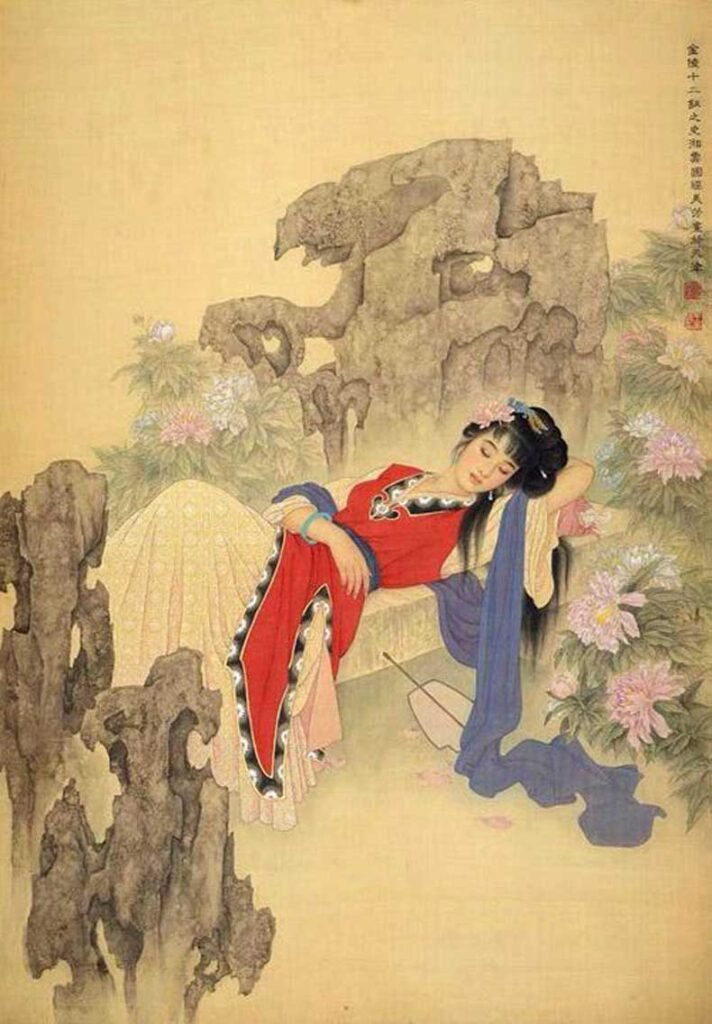
Shi Xiangyun of Jinling Twelve Beauties